
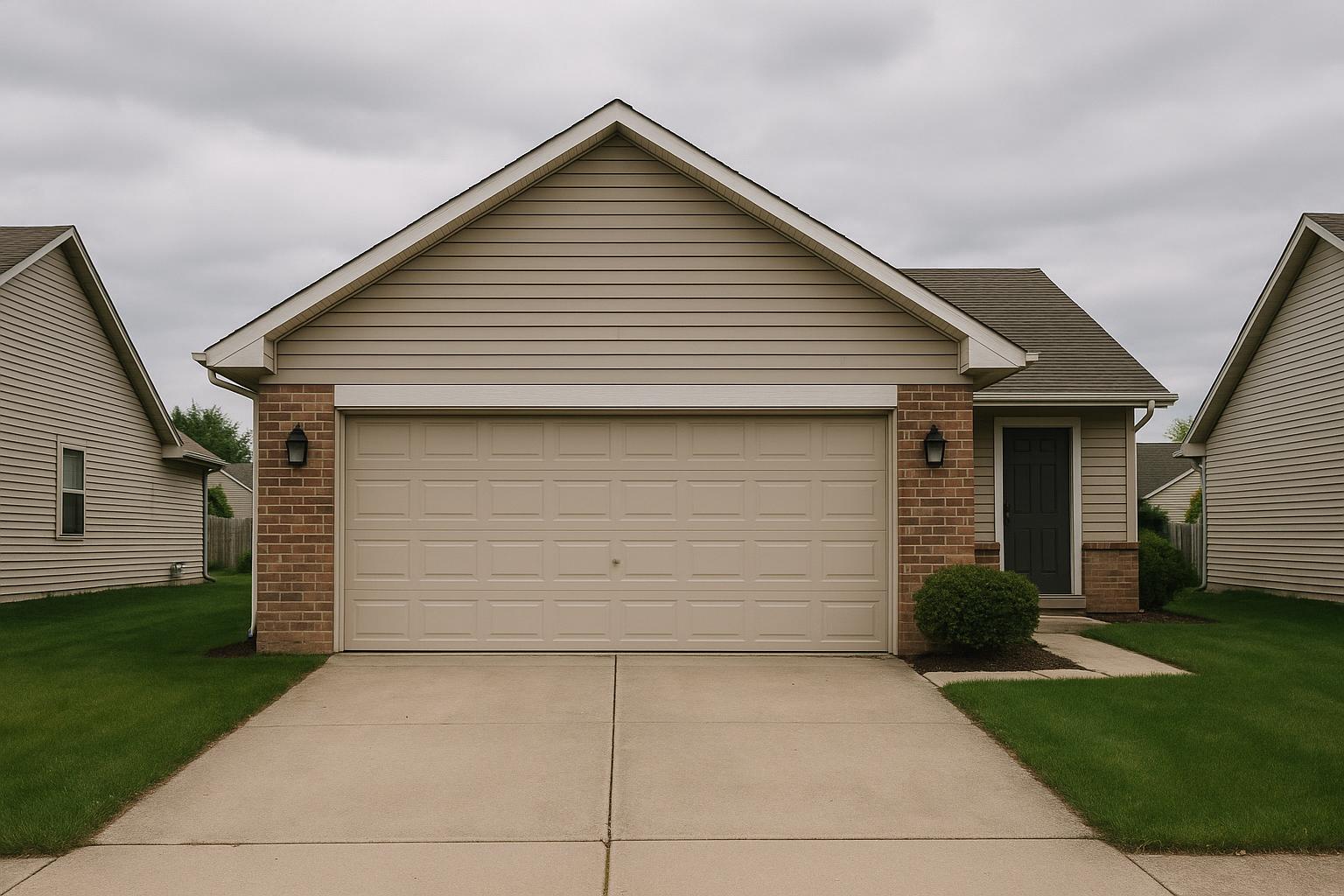
How Long Should Your Garage Door Really Last?
Your garage door is one of the largest moving parts of your home, and it works hard every single day. Most homeowners in Waukesha open and close their garage doors at least four times a day — that adds up to nearly 1,500 cycles per year. Over time, all that use takes a toll on every component, from the panels and hardware to the tracks and weatherstripping.
But how long should a garage door actually last before you need to think about replacing it? The answer depends on several factors, including the material, how well it's been maintained, and the conditions it faces. Let's break it all down so you know what to expect and when it might be time to start shopping for a replacement.
Average Lifespan by Garage Door Material
Not all garage doors are built the same. The material your door is made from plays a major role in how many years of reliable service you'll get out of it.
Steel Garage Doors
Steel is the most popular garage door material in the Waukesha area, and for good reason. It's durable, affordable, and available in a wide range of styles. A well-maintained steel garage door typically lasts 20 to 30 years. The biggest threat to steel doors is rust, especially in Wisconsin where road salt and moisture are constant companions during winter months. Keeping the surface clean and touching up scratches or chips in the paint can significantly extend its life.
Wood Garage Doors
Wood doors offer a classic, warm appearance that many homeowners love. However, they require more upkeep than other materials. With regular staining or painting and proper sealing, a wood garage door can last 15 to 25 years. Without that maintenance, moisture can cause warping, rotting, and cracking much sooner — a real concern given our humid summers and harsh winters.
Aluminum Garage Doors
Aluminum doors are lightweight and resistant to rust, making them a solid choice for our climate. They generally last 20 to 25 years, though they're more prone to denting than steel. If your aluminum door has taken a beating from hail or accidental impacts, it may need replacement sooner for cosmetic reasons even if it still functions.
Fiberglass and Vinyl Garage Doors
These materials resist denting, cracking, and rust, making them low-maintenance options. Fiberglass and vinyl doors can last 20 to 30 years or more. However, fiberglass can become brittle over time, especially after years of exposure to extreme cold, which is worth considering here in southeastern Wisconsin.
Factors That Shorten (or Extend) Your Door's Lifespan
Material is just one piece of the puzzle. Several other factors determine whether your garage door hits the upper or lower end of its expected lifespan.
- Maintenance habits: Doors that receive annual inspections, lubrication, and minor adjustments consistently outlast neglected ones. Something as simple as lubricating the rollers and hinges twice a year can add years to your door's life.
- Climate and weather exposure: Waukesha's freeze-thaw cycles, snow, ice, and humidity put extra stress on garage door components. Doors that face north or are heavily exposed to wind and precipitation tend to wear faster.
- Frequency of use: A door on a busy household with multiple drivers cycling it six or eight times a day will wear out faster than one used only twice daily.
- Quality of installation: A properly installed garage door with balanced springs, aligned tracks, and correct tension will operate smoothly and last longer. Poor installation leads to premature wear on nearly every component.
- Impact damage: Accidents happen — a basketball, a car bumper, or a fallen tree branch can cause damage that compromises the door's structural integrity and shortens its useful life.
Signs It's Time to Replace Your Garage Door
Even if your door hasn't reached the end of its expected lifespan, certain signs indicate that replacement makes more sense than continued repairs.
Frequent Breakdowns
If you're calling for repairs multiple times a year, those costs add up quickly. At some point, investing in a new door becomes the smarter financial decision. A good rule of thumb: if a single repair costs more than half the price of a new door, it's time to replace.
Visible Sagging or Warping
Disconnect your opener and manually lift the door halfway. If it doesn't stay in place or you notice sections sagging, the door's structural integrity is compromised. This is especially common with older wood doors that have absorbed moisture over the years.
Lack of Insulation
Older garage doors often have little to no insulation. If you use your garage as a workshop, home gym, or simply want to reduce energy costs, upgrading to an insulated door can make a noticeable difference — particularly during Waukesha's long winters when an uninsulated garage can drag down the temperature of adjacent rooms.
Outdated Safety Features
Garage doors manufactured before 1993 may lack the auto-reverse safety features that are now required by federal law. If your door doesn't reverse when it contacts an object or doesn't have photoelectric sensors near the floor, replacing it is important for your family's safety.
Curb Appeal Has Faded
Your garage door accounts for up to 40% of your home's front-facing exterior. A faded, dented, or outdated door can drag down your home's appearance and resale value. If you're thinking about selling your home, a new garage door consistently ranks as one of the highest-ROI home improvement projects, often recouping over 90% of its cost at resale.
What About the Garage Door Opener?
It's worth noting that your garage door opener has a separate lifespan from the door itself. Most openers last 10 to 15 years, depending on the brand and usage. If your opener is aging and your door is due for replacement, it often makes sense to replace both at the same time. This ensures full compatibility, updated safety features, and the convenience of modern technology like smartphone control and battery backup.
Getting the Most Out of Your Garage Door
Whether your door is brand new or approaching the end of its lifespan, regular maintenance is the single best thing you can do to protect your investment. Here's a quick checklist to follow at least once a year:
- Visually inspect all panels, hardware, tracks, and weatherstripping for damage or wear.
- Lubricate rollers, hinges, and springs with a garage-door-specific lubricant.
- Test the balance by disconnecting the opener and lifting the door manually — it should stay in place when opened halfway.
- Test the auto-reverse feature by placing a board on the ground where the door closes.
- Clean the tracks and remove any debris that could cause misalignment.
- Tighten any loose bolts or brackets.
If any of these steps reveal a problem you're not comfortable addressing yourself, it's best to call a professional rather than risk injury or further damage.
Need Help Deciding Whether to Repair or Replace?
If your garage door is showing its age and you're not sure whether it makes more sense to keep repairing it or invest in a replacement, Waukesha Garage Door can help you make the right call. We'll inspect your current door, give you an honest assessment, and walk you through your options — no pressure, no upselling. Whether you need a quick fix or a brand-new installation, we're here to keep your garage door working safely and reliably for years to come.