
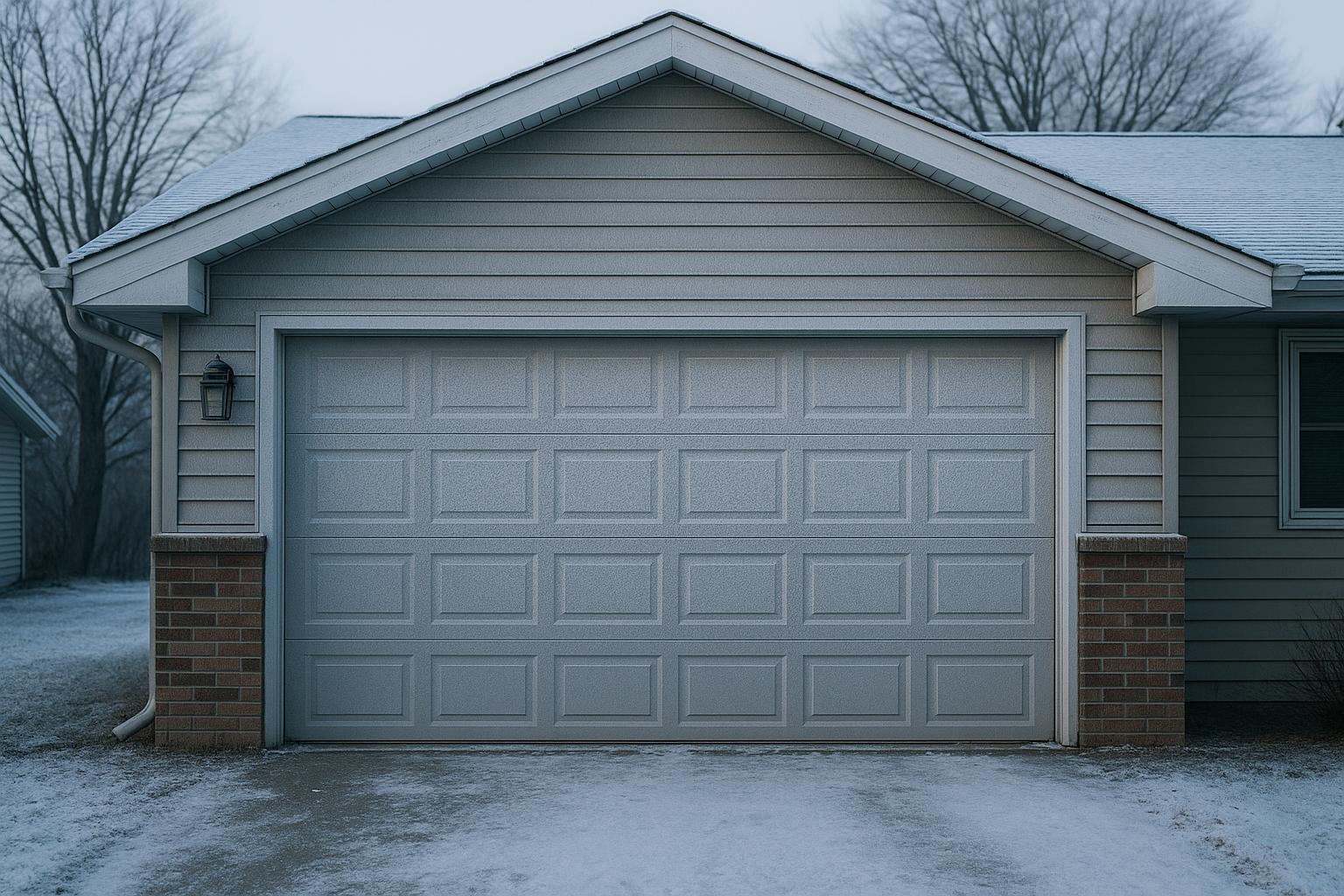
Winter Takes a Toll on Your Garage Door
If you've lived in Waukesha for even one winter, you know how brutal the cold can be. Temperatures regularly dip below zero, snow piles up fast, and ice seems to form on everything overnight. What many homeowners don't realize is that their garage door — the largest moving part of their home — takes a serious beating during these months.
From frozen weatherstripping to snapping springs, cold weather creates a range of problems that can leave you stuck in your driveway on the worst possible morning. Understanding how winter affects your garage door can help you stay ahead of breakdowns and avoid emergency repairs when you need your door the most.
Garage Door Springs Get Brittle in the Cold
This is the number one winter garage door issue we see across Waukesha, Brookfield, and the surrounding communities. Garage door springs are made of metal, and metal contracts when it gets cold. That contraction makes the springs stiffer, more brittle, and far more likely to snap.
A broken spring isn't just an inconvenience — it can be dangerous. When a torsion spring breaks, it releases an enormous amount of stored energy. You'll usually hear a loud bang from inside the house, and your garage door will become extremely heavy and difficult to open.
Here's what you should know about springs in winter:
- Springs lose flexibility as temperatures drop, increasing the risk of fracture.
- Older springs are especially vulnerable. If your springs are more than 7-8 years old, they're already near the end of their lifespan and cold weather can push them over the edge.
- Never try to replace springs yourself. This is a job that requires professional tools and experience. A spring under tension can cause serious injury.
If you hear unusual creaking or notice your door struggling to open on cold mornings, it's worth having your springs inspected before they fail completely.
Weatherstripping Freezes to the Ground
Have you ever pressed the button to open your garage door and heard a tearing sound? That's your weatherstripping — the rubber seal along the bottom of the door — frozen to the concrete floor or driveway.
When moisture collects under the seal and temperatures drop overnight, it creates an ice bond between the rubber and the ground. Forcing the door open can rip the weatherstripping right off, leaving gaps that let in cold air, moisture, and even pests.
How to Prevent Frozen Weatherstripping
- Apply a thin layer of silicone-based lubricant along the bottom seal before freezing temperatures arrive.
- Keep the area where the door meets the ground clear of standing water and snow.
- If the seal does freeze, use warm water — never a heat gun or torch — to gently melt the ice before opening the door.
- Replace cracked or worn weatherstripping before winter sets in. Damaged seals are more prone to freezing and don't insulate your garage effectively.
Metal Components Contract and Misalign
Your garage door system is full of metal parts — tracks, hinges, rollers, and brackets. When temperatures plummet, all of these components contract slightly. In most cases, this isn't a problem. But when parts are already worn or slightly misaligned, the cold can amplify those issues.
You might notice:
- The door moves unevenly or jerks as it travels along the tracks.
- Increased squeaking or grinding noises during operation.
- The door getting stuck partway open or closed.
Regular lubrication with a garage-door-specific lubricant (not WD-40, which is a degreaser) helps keep metal parts moving smoothly even in frigid conditions. Focus on the rollers, hinges, and the torsion spring. A quick application in late fall can make a significant difference all winter long.
Your Garage Door Opener Works Harder
Cold weather doesn't just affect the door itself — it puts extra strain on your garage door opener. When springs are stiff, lubricant has thickened, and weatherstripping is partially frozen, the opener has to work much harder to lift and lower the door.
Over time, this added strain can:
- Burn out the opener motor prematurely.
- Strip the gears inside the opener unit.
- Cause the opener to stop mid-cycle or refuse to operate altogether.
If your opener is more than 10-15 years old, it may not have the power to handle the increased resistance that comes with a Wisconsin winter. Newer models are more energy-efficient and better equipped to handle cold-weather operation. If you've been thinking about upgrading, doing it before the deep freeze hits is a smart move.
Concrete Shifts and Affects Door Alignment
Here in Waukesha, the freeze-thaw cycle is relentless from November through March. As the ground freezes and thaws repeatedly, concrete slabs — including your garage floor and driveway — can shift, heave, or crack. Even minor changes in the floor level can throw off your garage door's alignment.
When the floor shifts, the door may not seal evenly at the bottom, creating gaps on one side. It can also cause the door to bind in the tracks or put uneven stress on the springs and cables. If you notice daylight coming in under one side of your closed garage door, ground movement could be the culprit.
A Pre-Winter Maintenance Checklist
The best way to avoid a cold-weather garage door emergency is to schedule maintenance before winter arrives. Here's a simple checklist to follow:
- Inspect the springs and cables for signs of wear, rust, or fraying.
- Lubricate all moving parts with a silicone or lithium-based garage door lubricant.
- Check the weatherstripping along the bottom and sides of the door. Replace if cracked or brittle.
- Test the door balance. Disconnect the opener and manually lift the door halfway. If it doesn't stay in place, the springs may need adjustment.
- Clear the tracks of debris, dirt, or hardened grease.
- Test the auto-reverse safety features on your opener to make sure they're functioning properly.
- Inspect the door panels for cracks or damage that could worsen with temperature changes.
If any of these items reveal a problem, it's much easier and cheaper to address it now than in the middle of a January cold snap.
Don't Wait for a Breakdown
Winter garage door problems rarely fix themselves, and they almost always get worse as the season goes on. Whether you're in Pewaukee, New Berlin, Delafield, or right here in Waukesha, our team at Waukesha Garage Door is ready to help you prepare for the cold — or respond fast if something goes wrong.
We offer comprehensive garage door maintenance, spring replacement, opener repair, and emergency service when you need it most. A little preventive care now can save you from being stuck outside your garage on the coldest morning of the year.
Give us a call to schedule a winter-readiness inspection. We'll make sure your garage door is ready to handle whatever this Wisconsin winter throws at it.